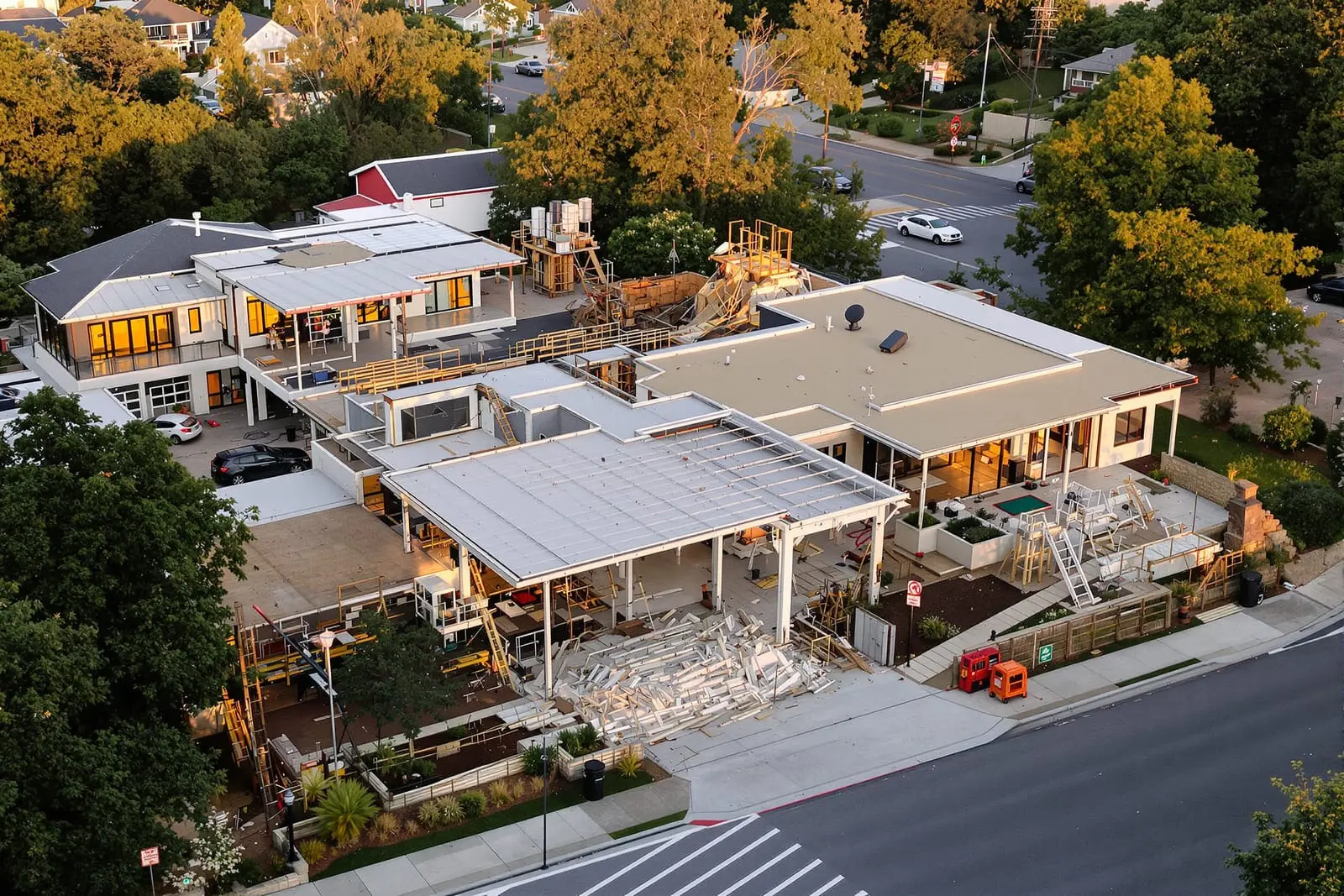
We perform bridge demolition in Orlando, FL, taking down overpasses, culverts, and civil structures with engineered precision. Our plans address traffic control, waterways, and utilities, using controlled cutting and heavy equipment or specialized methods as needed. Debris is removed quickly to reopen routes and prepare for new construction.
Wrexo Demolition Orlando provides professional bridge demolition throughout Orlando, FL and the surrounding area. Our licensed, insured crew delivers safe, clean, on-time work with a free estimate before anything begins. Call (407) 329-9529 or request your free quote.
Wrexo Demolition Orlando handles bridge and civil structure demolition for municipalities, general contractors, and private owners across Central Florida. Our focus is safe removal of aging or obsolete structures so new road, rail, and utility projects can move forward on schedule.
Bridge demolition is not just knocking concrete down. Every job starts with a detailed review of the existing structure: span length, type of bridge (concrete girder, steel truss, box culvert, pedestrian bridge, overpass), foundation depth, and what runs across or under it. In the Orlando area we also look carefully at traffic patterns on I-4, 408, 417, and local arterials, nearby homes or businesses, and any waterways or wetlands regulated by the St. Johns River Water Management District.
For many projects we provide input to the engineer of record before the demo plan is finalized. That collaboration helps reduce lane closure time, avoid utility conflicts, and keep the demolition sequence realistic for the site. If you are a GC bidding a Florida DOT or city job, bring Wrexo Demolition Orlando in early so your proposal reflects an accurate, buildable demolition approach and staging plan.
How Bridge and Civil Structure Demolition Actually Works
Our process for bridge demolition in Orlando follows a consistent structure, adjusted for each site:
1. Engineering survey and utilities check. We verify as-built drawings, measure slab thickness, locate reinforcing steel, and confirm any changes made over the years. Then we coordinate with utility locators and owners to identify buried power, fiber, water lines, gas, and signal conduits under or near abutments and approaches.
2. Traffic and public protection plan. For road and rail crossings we help set up MOT (maintenance of traffic) with detours or rolling roadblocks, work with FDOT or the City of Orlando, and design physical barriers, crash cushions, and debris containment so nothing reaches live lanes or sidewalks during demo.
3. Environmental and waterway protection. If the bridge crosses a canal, retention pond, or river, we install debris nets, floating turbidity curtains, and catch platforms. We also specify dust control methods that work in Central Florida humidity, such as high volume misting systems instead of fine sprays that just drift.
4. Structural sequencing. We typically remove parapets and railings first, then deck sections, then girders or beams, and finally piers, columns, and footings. For concrete spans we often saw cut the deck into manageable panels and lift them with cranes. For steel truss bridges we may cut in a controlled pattern so segments can be lowered rather than dropped.
5. Breakout and processing. On many Orlando bridge projects we use high reach excavators with hydraulic hammers and pulverizers to break concrete away from reinforcing steel. Rebar is cleaned for recycling. Concrete is crushed on or off site to FDOT spec aggregate that can go back into road base or fill.
6. Final removal and grading. Once the superstructure is gone we demo abutments, wing walls, and footings to the depth specified in the plans, then backfill and compact to support the new construction or to restore the right of way.
Methods, Equipment, and Cost Drivers for Bridge Demolition
Bridge demolition in Orlando can be performed using different methods, and the choice has a big impact on cost, schedule, and risk.
Mechanical demolition with excavators is the most common method for local overpasses and short-span bridges. We use excavators in the 50,000 to 120,000 pound class, high reach booms, hydraulic hammers, shears, and pulverizers. This method is usually the most cost effective when there is enough clearance under the bridge, room for equipment, and no sensitive structures directly under the span.
Cut and lift demolition is used when debris cannot fall, such as over active rail lines, key utilities, or water bodies where in-water work is restricted. We saw cut the deck and beams into segments, rig each piece with lift points, then use cranes to remove sections in sequence. This method requires more planning, heavier cranes, and a larger crew, so it typically costs more but controls risk and cleanup.
Explosive demolition is rare in urban Orlando settings because of proximity to homes, businesses, and attractions. When it is used, it is usually in very controlled situations on large, isolated structures with heavy engineering oversight. If you are told explosives are the only option, it is worth getting a second opinion from a contractor like Wrexo Demolition Orlando that can evaluate mechanical or cut and lift alternatives.
Key factors that drive bridge demolition cost include:
• Access and staging. Tight sites, limited crane setup areas, and constrained road closures increase labor and equipment time.
• Traffic restrictions. Night work on interstates, limited lane closure windows, and requirements to open by certain hours all increase cost.
• Structure type and thickness. Post-tensioned concrete, thick decks, heavily reinforced caps, and deep piers take longer to break down and process.
• Environmental controls. Working over water, near protected trees, or in noise-sensitive neighborhoods adds planning, equipment, and sometimes specialty crews.
We provide itemized estimates that break these factors out, so owners and GCs can see where value engineering is possible.
Local Considerations for Orlando Bridge and Civil Structure Projects
Working in Orlando and across Orange, Seminole, and Osceola Counties comes with local conditions that affect bridge demolition planning.
Weather and schedule. Our region’s summer thunderstorms and hurricane season can shut down crane work and elevated operations without much notice. For large bridge removal, the most reliable windows are typically late fall through early spring when storms are less frequent and temperatures are safer for long shifts in PPE. Wrexo Demolition Orlando builds weather allowances and contingency days into critical path items so your follow-on crews are not left waiting.
Soils and groundwater. Many Central Florida bridges sit on or near high groundwater levels and sandy soils. When removing abutments, wing walls, or culvert headwalls, we plan for dewatering, trench boxes or shoring, and compaction testing of backfill. If your replacement design has strict settlement limits, we coordinate with your geotechnical engineer to match removal depth and backfill quality.
Tourism and special events. Orlando’s traffic patterns change with theme park events, conventions, and major shows at venues like the Amway Center. For bridges and civil structures near these corridors, we coordinate MOT with local agencies so closures do not collide with peak tourism traffic, and we adjust shift times to avoid gridlock.
Noise and dust near neighborhoods. Nighttime construction near residential areas requires a careful approach. We use attachment choices that reduce impact noise where possible, set up noise barriers when feasible, and schedule the highest impact operations earlier in the evening where permitted. Dust is controlled with water trucks and misting cannons sized for bridge height and wind conditions, while avoiding runoff into storm drains.
What Orlando Clients Should Clarify Before Hiring a Bridge Demolition Contractor
Bridge and civil structure demolition is high risk work, so it pays to ask detailed questions before you hire anyone.
Confirm scope alignment. Make sure the proposal clearly covers deck, girders, abutments, piers, foundations, approach slabs, and any adjacent retaining walls or culverts that must be removed. Clarify who is responsible for temporary shoring, bracing, or partial structure support if only a section of the bridge is coming down.
Check permitting and MOT experience. Bridge demolition on public roads around Orlando usually involves FDOT, the City of Orlando, or county approvals, plus MOT plans that meet local standards. Wrexo Demolition Orlando routinely submits or supports these packages and attends coordination meetings, which reduces delays when lane closures or detours are under discussion.
Review debris management and recycling. Ask where concrete, asphalt, and steel will go. On many projects we recycle the majority of material and, where allowed, crush concrete into reusable aggregate. This can lower hauling costs and help owners meet sustainability goals.
Verify insurance, licensing, and safety record. Make sure your demolition contractor carries coverage specifically suited for bridge and structural work, not just small interior demo. Ask for EMR and OSHA record information. We maintain strict safety protocols, including fall protection for work on elevated decks, spotters for operations over live lanes, and daily equipment inspections.
Plan for coordination with new construction. Demolition is usually only one phase. We coordinate our sequencing, removal limits, and final grading with your bridge builder so they can mobilize quickly once the site is turned over. That includes leaving access ramps, work pads, and stable subgrade where appropriate.
If you are planning a bridge or civil structure demolition project in the Orlando area, Wrexo Demolition Orlando can review your drawings, visit the site, and provide a practical plan and cost breakdown that matches real local conditions instead of generic assumptions.
“
Professional bridge and civil structure demolition, done right the first time, quality materials, honest pricing, and results that last.
Wrexo Demolition Orlando
Bridge and Civil Structure Demolition Across Our Service Area